
Guardrails, Speed, and Salzburg's Local Mountain: Why Governance Isn't the Opposite of Courage
Published on 08 September 2026
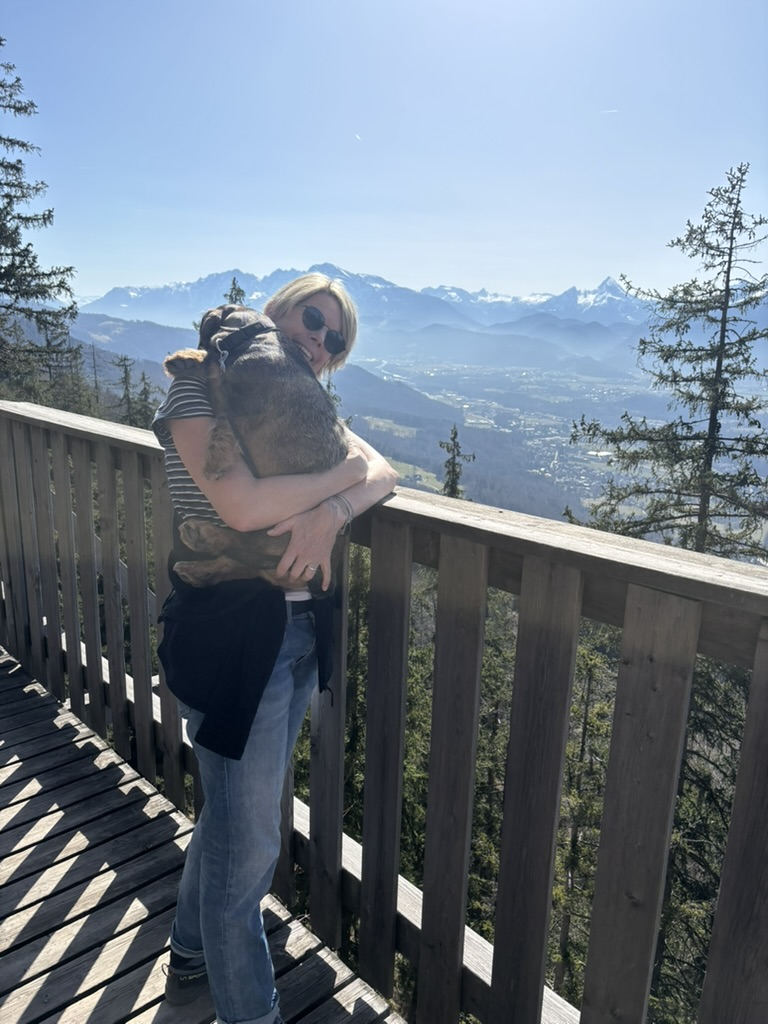
I'm from Salzburg. And anyone from Salzburg knows the Gaisberg — the city's local mountain. For many, it's a viewpoint, a place to unwind, a "sun bench" with a view. For my father, it was more: a place of motorsport, of speed, of daring, and of stories you don't forget.
A Black-and-White Photo and a Family Story
In an old box lies a black-and-white press photo of my father. He's sitting on his motorcycle, ready for the Gaisberg race — the hill-climb races on Salzburg's local mountain, held between 1929 and 1969. Legendary. Fast. Dangerous.
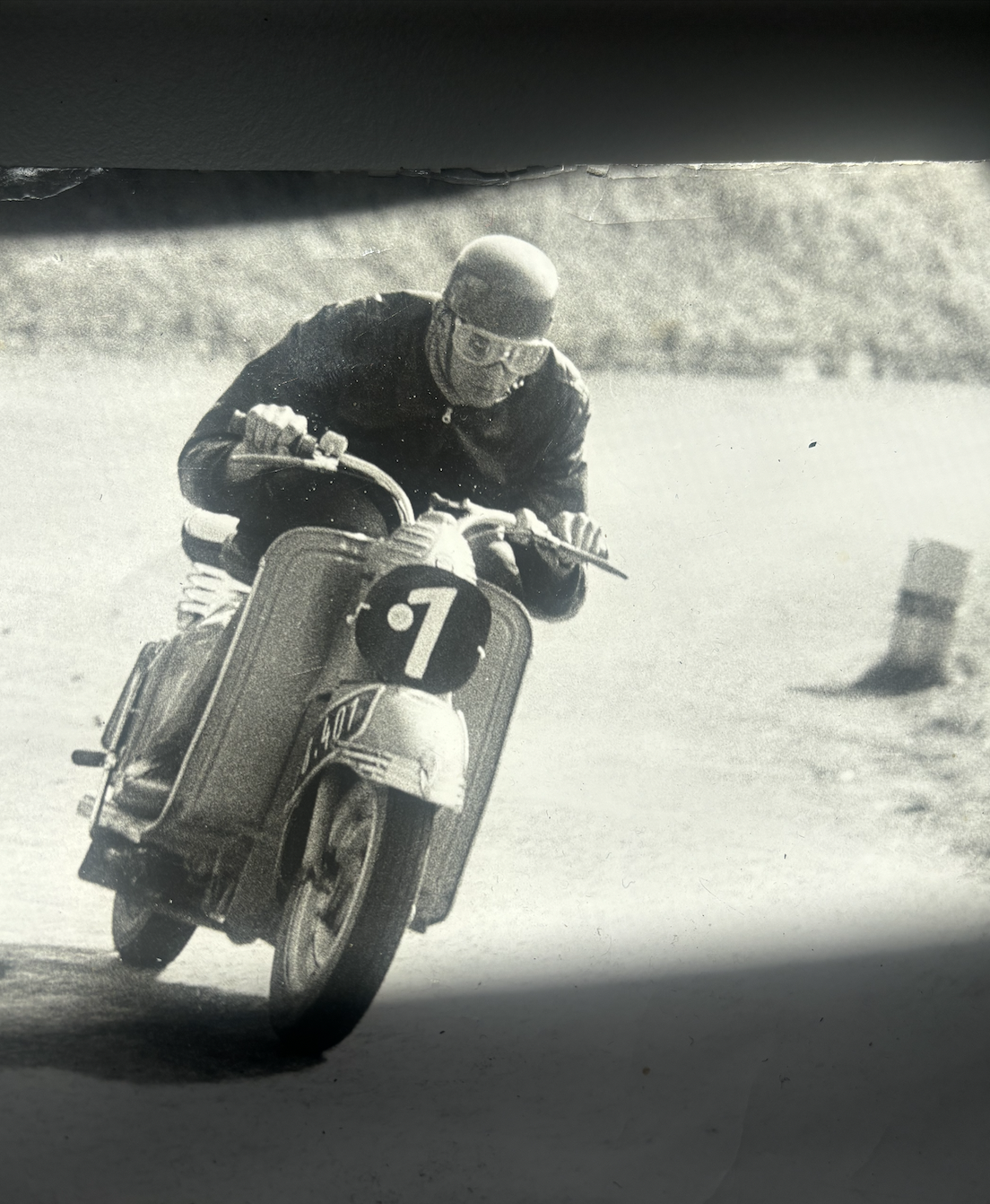
My father was one of the early motorsport enthusiasts. He hardly missed a race — whether on a motorcycle or in a car. He was no beginner. He was a skilled hand.
Coming down the mountain, the Mödlhammer bend was one of the hottest spots. A corner that tightens unexpectedly — misjudge your speed there, and you didn't get a second chance.
A Crash That Shows Risk Doesn't Only Strike the Inexperienced
My father had a serious crash. Almost a year in hospital.
Risk doesn't only strike the inexperienced. It strikes the professionals too. Even the ones who are actually good at judging it.
Historical Facts Behind the Metaphor
One of the reasons the Gaisberg race was discontinued in 1969: the safety of drivers and spectators could no longer be guaranteed.
Average speeds had risen sharply since the race began, while the track stayed exactly the same: tight corners, steep sections, no run-off areas, no guardrails.
Between 1960 and 1969, three drivers lost their lives — in 1960, 1968, and 1969. Many more were seriously injured.
These facts make the point: without guardrails, it's not only the inexperienced who crash — it's the best, too.

My Father: A Speed Demon — But One Who Followed the Rules
To the end, he stayed someone who loved speed. But he was also someone who respected rules. Someone who knew:
Speed without responsibility is recklessness. Speed with guardrails is skill.
What Governance Really Means
Governance is often misunderstood as bureaucracy, control, or restriction. In truth, governance means a framework that protects. Rules that provide orientation. Structures that build trust. Guardrails that make speed possible. Responsibility, before something happens.
Governance isn't the opposite of courage. Governance is its precondition.
Guardrails Take Away Some of the View — But They Save Lives
Today, the Mödlhammer bend has been defused. Straightened out, secured to modern standards.
Guardrails restrict. They set limits. They take away a bit of the view. Sometimes even a bit of freedom.
But they protect. They prevent you from going over the edge. They give orientation. They make speed possible.
The Race Today: Same Tradition, New Safety
Since 2003, the Gaisberg race has been held again — but under completely different conditions: a secured track, guardrails, run-off areas, modern safety standards, clear rules, professional organization.
The tradition lives on. But the risks are now manageable.
That's governance: not the end of speed — its precondition.
The Takeaway: Courage Needs Guardrails
Back then, my father raced without guardrails. He paid a high price for it.
Today, no one would start a race on an unsecured track. Organizations should hold themselves to the same standard.
Courage, yes. Speed, yes. Innovation, yes. But always with governance that protects — before something happens.
Because guardrails aren't a sign of weakness. They're a sign of responsibility.
Source: More on the history of the Gaisberg race (in German) at salzburg-geschichte-kultur.at: http://salzburg-geschichte-kultur.at/das-gaisbergrennen-die-bergrennen-am-hausberg-der-salzburger-zwischen-1929-und-1969/#_ednref3